
What happens to batteries when they reach the end of their life? The concept of a circular economy offers a compelling answer. Instead of treating batteries as waste, this model keeps materials in use for as long as possible and by this turning end-of-life products into valuable resources. In this article, we explore how batteries fit into the circular economy, assess the current market dynamics, and see what lies ahead.
Understanding the Circular Economy in the Battery Industry
A circular economy is defined as an economic system that aims to reduce waste and extend the use of resources. Unlike the traditional “take–make–dispose” model, it focuses on reuse, repair, and recycling. Therefore, materials remain in the loop instead of being lost. This approach plays a crucial role in the battery cosmos. Batteries contain valuable raw materials such as lithium, nickel, and cobalt. By applying circular economy principles, companies can recover and reuse these materials efficiently. Governments also support this transition. For example, the European Union introduced its Circular Economy Action Plan under the Green Deal. Similarly, countries like China, the United States, and Japan have adopted strategies to promote circular systems. As a result, the circular economy is becoming a global standard.
What Happens to Electric Vehicle Batteries at End of Life?
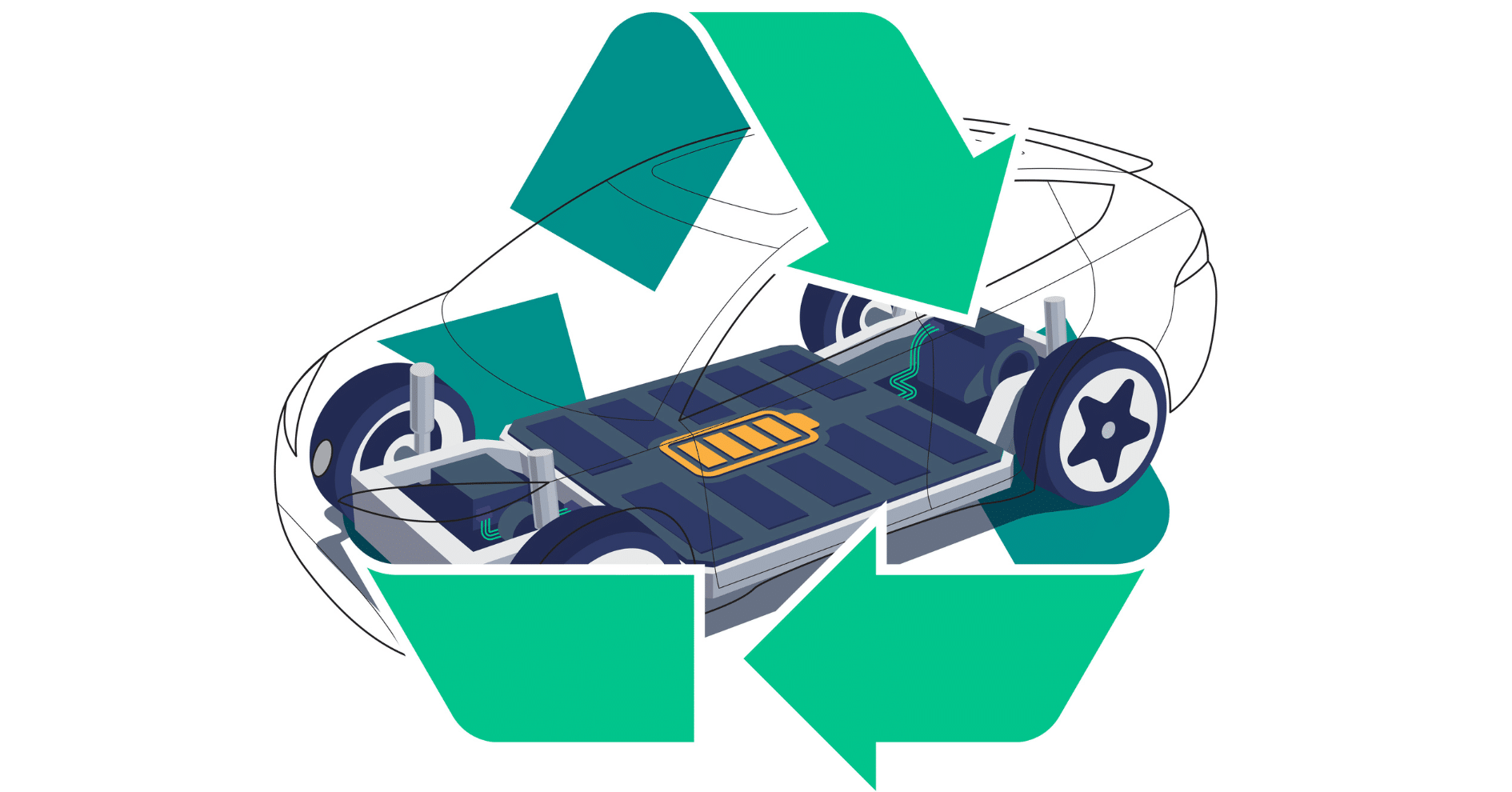
When an electric vehicle reaches the end of its life, its battery still holds value. In a circular economy, three main pathways exist.
First, refurbishment enables reuse in vehicles.
Some batteries can be repaired and used again in cars. This extends their original lifespan and reduces waste.
Second, second-life applications create new value.
If a battery no longer meets vehicle requirements, it can serve in stationary storage systems. For instance, it can store renewable energy in homes or support the grid.
Third, recycling recovers raw materials.
At the final stage, companies break batteries down into core components. They extract lithium, nickel, cobalt, and manganese. In addition, aluminum and copper are recovered. These materials then re-enter the circular economy and support new battery production.
Circular Economy Business Models: Why Battery Recycling Is Booming
Battery recycling has changed significantly in recent years. In the past, it mainly focused on waste disposal. Today, it has become a key pillar of the circular economy. This shift happened because batteries contain high-value materials. Therefore, recycling now creates economic value instead of just managing waste. In some cases, recyclers even pay for used batteries to secure access to raw materials. Moreover, innovative companies are driving this transformation. German startup Cylib is a strong example. Major players such as Bosch and Porsche have invested in its technology. As a result, advanced recycling processes are scaling up quickly.
Growth of the Circular Economy in Battery Recycling
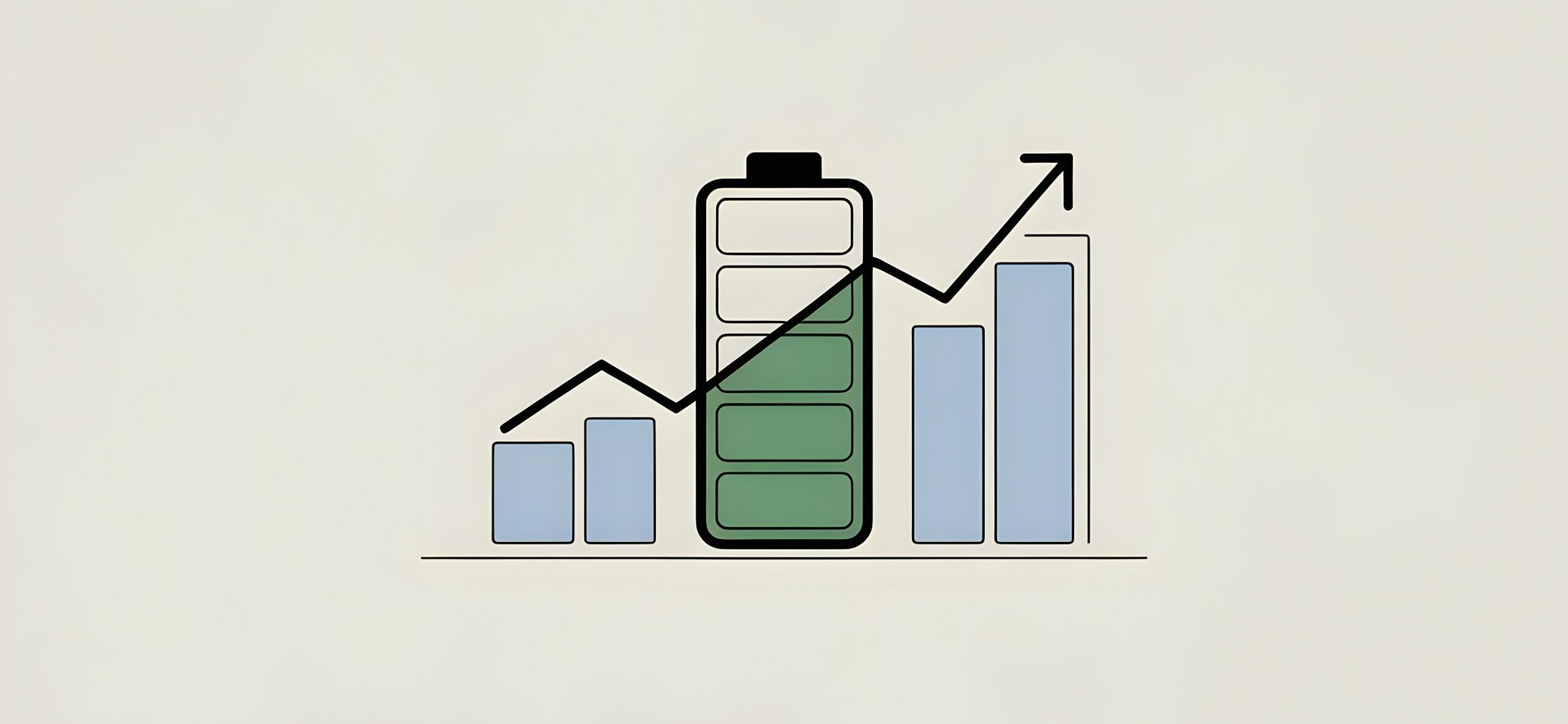
The circular economy for batteries is still developing, but growth is strong. In 2025, around 100,000 tonnes of battery materials have been recycled in Europe. This includes from electric vehicles, e-bikes to home storage systems. Currently, recycling volumes come from two main sources. About half comes from end-of-life batteries. The other half comes from production scrap. However, this balance will change soon: As gigafactories expand, more production waste will enter the system. Therefore, recycling volumes are expected to increase rapidly. By 2030, Europe could recycle around 250,000 tonnes of battery materials each year, according to calculations by Fraunhofer ISI. Looking further ahead, the growth becomes even clearer. By 2040, between 1 and 3 million tonnes could enter recycling streams.
Challenges for the Circular Economy in Batteries
Despite strong growth, the circular economy in batteries faces several challenges. First, there are still too few end-of-life batteries available. Electric vehicles are relatively new, so most batteries remain in use. As a result, recyclers face supply constraints. Second, global competition is intense. China dominates the battery recycling market today. Around 80% of global recycling capacity is located there. In addition, many used batteries are exported to Asia. Therefore, European companies must compete on a global scale. Third, raw material prices are highly volatile. For example, lithium prices dropped sharply after 2023 before recovering. This volatility affects recycling profitability and investment decisions. Finally, new battery chemistries create uncertainty. Lithium iron phosphate (LFP) batteries contain fewer high-value metals like cobalt and nickel. Although this improves sustainability, it may reduce financial incentives for recycling in the circular economy.
The Future of Batteries in a Circular Economy
Despite these challenges, the outlook for the circular economy remains positive. The demand for batteries continues to grow. Electric vehicles, renewable energy systems, and storage solutions all contribute to this trend. At the same time, more batteries will reach end-of-life in the coming years. Therefore, recycling volumes will increase naturally. In addition, better technologies will improve efficiency and recovery rates. Regulation also supports this development. Governments push for higher recycling rates and sustainable product design, for example, with the battery passport. As a result, the circular economy will become more established across the battery value chain.
Conclusion: Circular Economy as the Key to Sustainable Batteries
The circular economy is reshaping how the battery industry operates. Instead of creating waste, it keeps materials in continuous use. This approach reduces environmental impact and strengthens resource security. Batteries offer a clear example of how a circular system can work. Through reuse, second-life applications, and recycling, materials remain valuable over time. However, challenges such as global competition and price volatility still exist. Nevertheless, it is clear that circular economy will play a central role in the future of batteries. Companies that adopt these principles early will gain a strong advantage in a rapidly evolving market.
Start your professional up-skilling in the battery sector
Enroll in specialized Online Battery Training to deepen your understanding of battery circular economy, sustainability, and emerging technologies. The EBBC provides unique lifelong learning program on battery technology that will help you navigate the rapidly evolving energy landscape and unlock new career opportunities in the battery industry.
Further links:
- Circular economy research, Fraunhofer UMSICHT
- Recycling for lithium-ion batteries will exceed demand in Europe, Fraunhofer ISI
FAQs on Batteries in the Circular Economy
What is a circular economy in the battery industry?
A circular economy in the battery industry is a system that reduces waste by reusing, repairing, and recycling materials to keep them in use for as long as possible.
Why are batteries important for the circular economy?
Batteries are important because they contain valuable raw materials like lithium, nickel, and cobalt that can be recovered and reused.
What happens to electric vehicle batteries at the end of their life?
At the end of their life, EV batteries can be refurbished, reused in second-life applications, or recycled to recover raw materials.
Why is battery recycling becoming a business model?
Battery recycling is booming because it generates economic value by recovering high-value materials instead of just managing waste.
What is the future outlook for batteries in a circular economy?
The future is positive as rising battery demand, improved technologies, and supportive regulations will increase recycling and strengthen circular systems.
What challenges does the circular economy face in battery recycling?
Key challenges include limited supply of end-of-life batteries, strong global competition, volatile raw material prices, and changing battery chemistries.