


Today, lithium-ion batteries dominate the market with more than 90% of global rechargeable battery deployment. However, researchers are constantly exploring alternatives that offer higher energy density, lower costs, and greater resource independence. One promising option is the metal-air battery. Research organizations such as Fraunhofer IFAM are developing rechargeable metal-air systems and advanced gas diffusion electrodes to improve battery performance. These technologies could play an important role in the future of sustainable energy storage.
What Are Metal-Air Batteries?
Metal-air batteries generate electricity through the reaction between a metal and oxygen from the air. Oxygen acts as the active cathode material and as a result, the system requires fewer internal materials and can achieve very high energy density. Several metal-air battery variants already exist. Primary, non-rechargeable systems are commercially available today. However, researchers now focus on rechargeable versions because they could become a low-cost alternative to lithium-ion batteries. The most well-known systems include zinc-air batteries, lithium-air batteries, sodium-air batteries and calcium-air batteries. Among these technologies, zinc-air systems attract interest because of their relatively low material costs. Lithium-air batteries, on the other hand, promise extremely high theoretical energy density. Therefore, back in the early 2010s, automotive companies such as Toyota and BMW have shown strong interest in this technology for future electromobility applications.
3 Reasons Why Metal-Air Batteries Could Transform Energy Storage
Metal-air batteries offer several potential advantages over lithium-ion technology.
First, they can achieve significantly higher energy density above 1,000 Wh/kg compared with around 250–300 Wh/kg for lithium-ion batteries. This means batteries could store more energy while remaining lightweight.
Second, many metal-air systems rely on abundant raw materials. Zinc and sodium, for example, are more widely available than lithium, cobalt, or nickel. Therefore, these batteries could reduce dependence on critical raw materials.
Third, metal-air batteries may lower production costs in the long term. Since oxygen comes directly from ambient air, manufacturers need fewer active materials inside the battery cell.
The Role of Gas Diffusion Electrodes
One of the key components of a metal-air battery is the gas diffusion electrode, often referred to as GDE. This electrode introduces oxygen into the cell while enabling the electrochemical reactions required during charging and discharging. At Fraunhofer IFAM, researchers develop new GDE designs with optimized pore structures, catalysts, and carrier materials. The manufacturing process itself plays an important role. Technologies such as spray coating, printing, and roller coating influence the porosity and wetting behaviour of the electrode, which directly affects oxygen transport and battery efficiency.
The balance between oxygen flow and electrolyte distribution is crucial: Larger pores support oxygen transport, while smaller pores increase the active reaction surface. Therefore, research increasingly focuses on graded pore structures that combine both properties.
Key Challenges of Rechargeable Metal-Air Batteries
Although primary metal-air batteries already exist commercially, rechargeable systems remain difficult to develop. Several technical problems continue to limit long-term performance and stability. One major challenge involves unwanted side reactions inside the battery. Reactive oxygen species can degrade both the electrolyte and the electrode materials over time. In addition, carbon dioxide from ambient air can negatively affect battery chemistry during operation. Another challenge is the charging process itself. Rechargeable metal-air batteries rely on efficient oxygen reduction and oxygen evolution reactions. These reactions require highly effective catalysts to maintain stable cycling behaviour. Without suitable catalysts, the battery quickly loses efficiency and durability. Researchers must also prevent dendrite formation at the metal anode. These needle-like structures can reduce battery life and create safety risks.
New Materials and Cell Designs
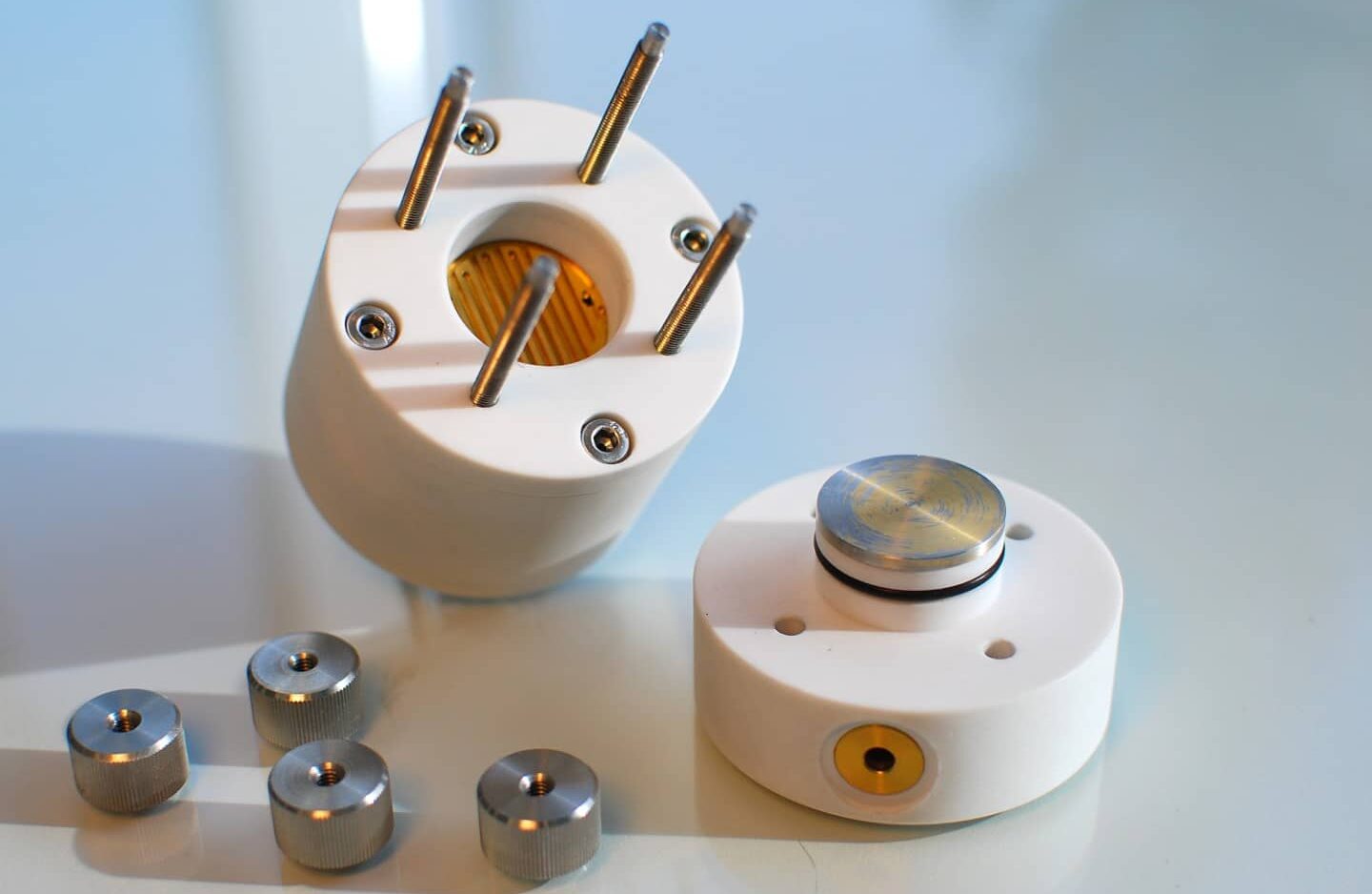
To improve stability, leading battery researchers develop chemically modified carbon materials and alternative electrode structures. At Fraunhofer IFAM, current work includes corrosion-resistant carbon materials and titanium carbide-based components that offer improved electrochemical stability. The institute also develops hybrid cell designs for newer battery chemistries such as calcium-air systems. In these batteries, the anode and cathode compartments require different electrolytes. Ion-conducting membranes separate both sections and stabilize operation. At the same time, scientists use in-situ analysis and specialized testing systems to better understand how materials behave during operation. This allows them to optimize electrode structures, wetting properties, and electrolyte interactions more effectively.
A Long-Term Alternative to Lithium-Ion Batteries?
Metal-air batteries still face significant practical hurdles of which is why the automotive industry has largely stepped back from this technology for now. However, battery research moves in cycles of progress and setbacks, and metal-air systems continue to attract attention due to their high theoretical energy density, potential cost advantages, and reduced reliance on critical raw materials. For now, lithium-ion batteries remain dominant. Still, progress in gas diffusion electrodes, catalysts, and cell design is steadily bringing rechargeable metal-air batteries closer to practical use.
Start your professional up-skilling in the battery sector
Enroll in specialized Online Battery Training to deepen your understanding of next-generation systems such as metal-air batteries. The EBBC provides unique lifelong learning program on battery technology that will help you navigate the rapidly evolving energy landscape and unlock new career opportunities in the battery industry.
Further links:
- Development of metal-air batteries and gas diffusion electrodes, Fraunhofer IFAM
- Electrical, chemical and thermal energy storage, Fraunhofer IFAM
FAQs on Metal-Air Batteries
What are metal-air batteries?
Metal-air batteries generate electricity through a reaction between a metal and oxygen from the air, with oxygen acting as the active cathode material.
What types of metal-air batteries exist?
The most common types of metal-air batteries include zinc-air, lithium-air, sodium-air, and calcium-air batteries.
Why do metal-air batteries have a high energy density?
Metal-air batteries achieve high energy density because they use oxygen from ambient air, reducing internal materials and enabling values above 1,000 Wh/kg.
Why are metal-air batteries an alternative to lithium-ion batteries?
Compared to lithium-ion batteries metal-air batteries offer higher theoretical energy density, lower potential costs, and reduced dependence on critical raw materials.
What are the main challenges of metal-air batteries?
Key challenges of metal-air batteries to commercially scale are material degradation, side reactions, inefficient oxygen reactions, and dendrite formation at the metal anode.
Are metal-air batteries already used in electric vehicles?
No, as metal-air batteries are still under development the automotive industry has largely stepped back for now due to unresolved technical challenges.